+86-13819126663
Deshumidificadores para museos, archivos y bibliotecas video

Deshumidificadores para museos, archivos y bibliotecas

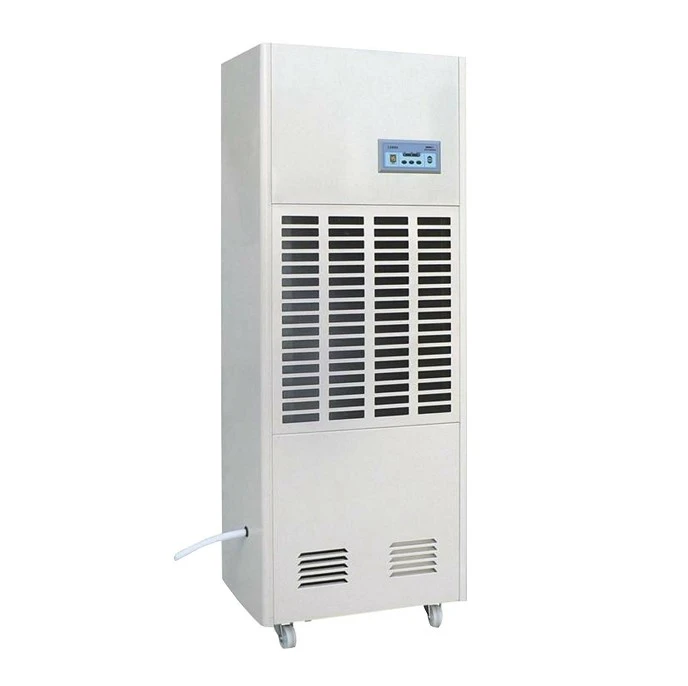
Deshumidificador 240L para museos

Descripción

Deshumidificadores para museos, archivos


Principales características:

1. Aplicación en grandes áreas: gran capacidad de deshumidificación, adecuada para la demanda de deshumidificación de grandes áreas, gran ciclo de vientos


2, rango de humedad ultra ancho: 20% -90% de rango de humedad ultra ancho, puede satisfacer las necesidades de diferentes sitios de deshumidificación, puede responder con flexibilidad a ambientes extremos


3, soporte de drenaje continuo: tubo de drenaje externo, acceso directo al tubo de alcantarillado, drenaje conveniente


4, deshumidificación inteligente: contiene chips inteligentes, automáticamente deshumidificación inteligente según la humedad ambiental actual, sin necesidad de mirar


5, juicio de fallo inteligente: determine automáticamente la ubicación del fallo y la retroalimentación en la pantalla LCD para el mantenimiento


6, temporización de dos vías: puede configurar el tiempo de arranque y el tiempo de apagado según los requisitos de trabajo, fácil de operar


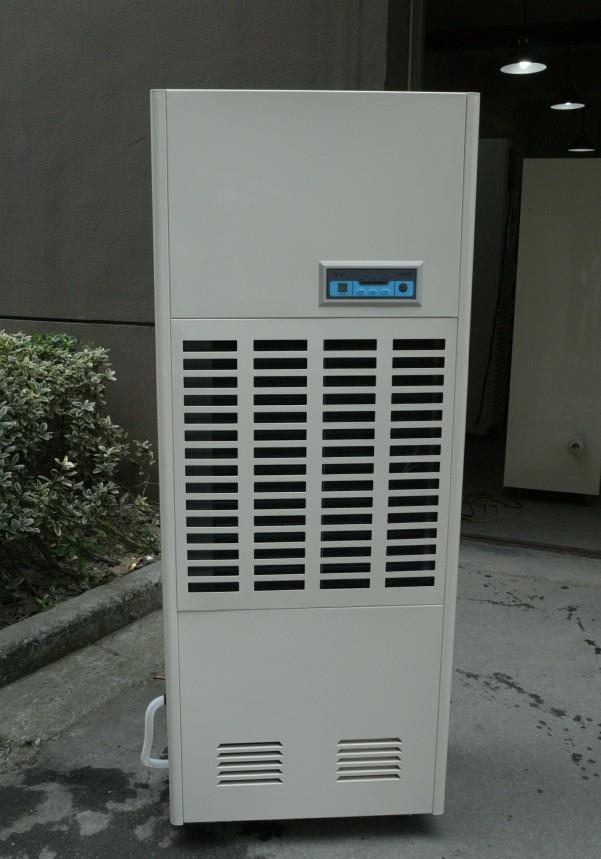
Fotos del producto:
Dehumidifiers for Museums, Archives and Libraries

Dehumidifiers for Museums, Archives and Libraries

Parámetros detallados:

Modelo DH-5168C
Eliminación de humedad 168L / D o 7L / H
Fuente de alimentación 380V / 50HZ
Entrada de potencia nominal 3.2KW
Corriente de potencia 6.2A
Temperatura de trabajo 5-38 ℃
Aire circulante 1600M3 / h
Refrigerante R22 / R407C
Peso neto 108kg
Peso bruto 118 kg
Aplicando espacio 150 ~ 200m2
Dimensión del producto 405x605x1620mm
Dimensión de embalaje 485x655x1680mm
Cantidad de carga 33 piezas / 20 pies
Periodo de producción 10 días
Garantía 1 año

Solicitud de deshumidificador en museos, archivos y biblioteca

El concepto de humedad (humedad absoluta y humedad relativa) generalmente está involucrado en el estudio de los estudios ambientales de los museos. Para comprender la humedad, es necesario comprender la relación entre la humedad relativa y la humedad absoluta. El aire que nos rodea contiene una cierta cantidad de vapor de agua, que se llama aire húmedo; El aire que está teóricamente libre de vapor de agua se llama aire seco. La humedad absoluta es la relación entre la masa de vapor de agua en el aire y el volumen total de aire húmedo. Es una medida de la cantidad de vapor de agua en el aire.


Bajo ciertas condiciones de temperatura, la relación entre el contenido de agua en el aire y el contenido de agua en el cual el vapor de agua en el aire alcanza el punto de saturación es lo que generalmente llamamos humedad relativa. Cuando la humedad en el aire alcanza el nivel más alto, se llama saturación. La humedad relativa en este caso es del 100%.


La cantidad de agua que se puede almacenar en el aire se ve afectada por la temperatura. Cuanto más alta es la temperatura, más agua hay. Por lo tanto, la humedad absoluta (contenido de agua) no cambia. A mayor temperatura, menor humedad relativa. Si el peso del vapor de agua en el aire es constante y la temperatura cambia, la humedad relativa puede variar mucho.


Por ejemplo, para museos en un entorno semiabierto, las colecciones que incluyen artefactos metálicos pueden estar expuestas a una temperatura y humedad relativa más altas durante la exposición, pero por alguna razón los artefactos se mueven a En un ambiente de baja temperatura, debido al cambio de En la temperatura, el vapor de agua alrededor de los artefactos metálicos se condensará en condiciones de frío, causando "condensación". El fenómeno de la "condensación" del vapor de agua en la superficie de los artefactos metálicos es una causa importante de corrosión de los artefactos metálicos.


Además, la humedad del ambiente en el que se coloca la colección es demasiado grande, lo que hace que las colecciones con poca resistencia al agua, como el papel, el color de las pinturas se oscurezcan y sean propensas a las manchas de moho; y si la humedad es demasiado baja, la madera y las lacas se agrietarán. . Por lo tanto, controlar el contenido de humedad y la temperatura de la atmósfera en el museo es muy importante.


Hoy en día, muchos museos y galerías de arte en el hogar y en el extranjero han comenzado a utilizar reguladores de humedad atmosférica, absorbentes de humedad, etc. para ajustar la humedad de la sala de exposición y el almacén, y han recibido ciertos resultados.

The concept of humidity (absolute humidity and relative humidity) is usually involved in the study of museum environmental studies. In order to understand the humidity, it is necessary to understand the relationship between relative humidity and absolute humidity. The air around us contains a certain amount of water vapor, which is called wet air; the air that is theoretically free of water vapor is called dry air. Absolute humidity is the ratio of the mass of water vapor in the air to the total volume of humid air. It is a measure of the amount of water vapor in the air.  Under certain conditions of temperature, the ratio of the water content in the air to the water content at which the water vapor in the air reaches the saturation point is what we usually call relative humidity. When the moisture in the air reaches the highest level, it is called saturation. The relative humidity in this case is 100%.  The amount of water that can be stored in the air is affected by the temperature. The higher the temperature, the more the water is. Therefore, the absolute humidity (water content) does not change. The higher the temperature, the lower the relative humidity. If the weight of water vapor in the air is constant and the temperature changes, the relative humidity may vary greatly.  For example, for museums in a semi-open environment, collections including metal artifacts may be exposed to a higher temperature and relative humidity during the exhibition, but for some reason the artifacts are moved to In a low temperature environment, due to the change of temperature, the water vapor around the metal artifacts will condense under cold conditions, causing


The concept of humidity (absolute humidity and relative humidity) is usually involved in the study of museum environmental studies. In order to understand the humidity, it is necessary to understand the relationship between relative humidity and absolute humidity. The air around us contains a certain amount of water vapor, which is called wet air; the air that is theoretically free of water vapor is called dry air. Absolute humidity is the ratio of the mass of water vapor in the air to the total volume of humid air. It is a measure of the amount of water vapor in the air.  Under certain conditions of temperature, the ratio of the water content in the air to the water content at which the water vapor in the air reaches the saturation point is what we usually call relative humidity. When the moisture in the air reaches the highest level, it is called saturation. The relative humidity in this case is 100%.  The amount of water that can be stored in the air is affected by the temperature. The higher the temperature, the more the water is. Therefore, the absolute humidity (water content) does not change. The higher the temperature, the lower the relative humidity. If the weight of water vapor in the air is constant and the temperature changes, the relative humidity may vary greatly.  For example, for museums in a semi-open environment, collections including metal artifacts may be exposed to a higher temperature and relative humidity during the exhibition, but for some reason the artifacts are moved to In a low temperature environment, due to the change of temperature, the water vapor around the metal artifacts will condense under cold conditions, causing

Etiqueta: deshumidificadores para museos, archivos y bibliotecas China, fabricantes, proveedores, fábrica, venta al por mayor

Envíeconsulta

(0/10)

clearall